
Originally published September 2020. Updated October 2026.
If there’s one season when South Korea truly shows off, it’s autumn. Think fiery red maple trees, golden ginkgo-lined streets, traditional palaces surrounded by colorful foliage, and crisp mountain air that makes you want to spend every waking moment outdoors.
After living in South Korea for six years, I can confidently say fall is my favorite time of year to explore the country. There’s something magical about watching Seoul transform into a sea of red, orange, and yellow. And trust me, some of the best autumn experiences happen when you venture beyond the capital.
Whether you’re planning your first trip to South Korea or returning to experience its incredible fall foliage, there’s no shortage of unforgettable things to do. From hiking through breathtaking national parks and exploring ancient temples to attending traditional festivals and discovering hidden gems, autumn is one of the best times to visit Korea.
In this South Korea fall bucket list, I’m sharing 26 of my favorite autumn activities, including popular attractions, seasonal experiences, and places I discovered during my years living abroad. I’ll also share the best times to visit, how to get there, and practical travel tips to help you plan your trip.
So grab your favorite sweater, charge your camera, and get ready to experience autumn in South Korea at its absolute best!
Things to Do in Seoul in September, October, and November
Not sure when to visit South Korea in fall? The best activities depend on which month you’re traveling.
September: Enjoy cosmos flower fields at Olympic Park, explore Seoul’s outdoor markets, attend early autumn festivals, and have a picnic along the Han River. September is often still warm, so it’s a great month for outdoor sightseeing before peak foliage season.
October: Visit Haneul Park’s silver grass fields, explore Korea’s national parks, experience Halloween events, and enjoy the beginning of peak autumn foliage in many mountainous regions.
November: Photograph golden ginkgo trees, explore the Secret Garden at Changdeokgung Palace, visit Hwadam Forest when seasonal opening dates and foliage conditions allow, and enjoy colorful autumn walks throughout Seoul.
Whether you’re visiting Korea in fall for the changing leaves, cultural experiences, or seasonal festivals, there’s something memorable to enjoy every month.
South Korea Fall Foliage Forecast for 2026
According to the Korea Tourism Organization’s 2026 fall foliage forecast, peak autumn colors are expected at Seoraksan around October 25, Bukhansan around November 4, and Naejangsan around November 11.
Keep in mind that fall foliage changes every year depending on weather conditions, elevation, and location. If you’re planning your trip specifically around the changing leaves, I recommend checking the latest foliage forecast before booking your activities.
In a hurry?
| Experience | Best month | Location |
|---|---|---|
| Cosmos flower fields | September | Seoul |
| Pink muhly grass | September–October | Yangju |
| Silver grass at Haneul Park | October | Seoul |
| Seoraksan fall foliage | October | Gangwon |
| Hwadam Forest | October–November | Gyeonggi |
| Changdeokgung Secret Garden | October–November | Seoul |
| Golden ginkgo trees | October–November | Seoul, Asan |
| Halloween attractions | October | Seoul, Yongin |
Autumn in South Korea Bucket List Ideas
If you’re wondering what to do in Korea in fall, you’ve come to the right place. I also have a comprehensive guide on the Korean autumn season.
1. Visit a Korean Fall Festival
One of my favorite things about autumn in South Korea is festival season! The cooler weather makes it the perfect time to get outside, explore different parts of the country, and experience Korean culture beyond the usual tourist attractions.
Some of my favorite festivals to recommend are the Andong International Mask Dance Festival, the Icheon Rice Cultural Festival, and the Seoul International Fireworks Festival.
If you love traditional Korean culture, head to Andong for colorful mask performances and cultural activities. Foodies should check out Icheon’s rice festival, where you can learn about one of Korea’s most important agricultural traditions. And if you’re staying in Seoul, the annual fireworks festival along the Han River is an unforgettable way to spend an autumn evening.
Best time to visit: September through November, depending on the festival.
Travel Tip: Festival dates change every year, and popular events can attract enormous crowds. Check the official schedule before planning your trip, and book accommodation early if you’re traveling outside Seoul.
For more seasonal events, check out my complete guide to the best autumn festivals in South Korea.
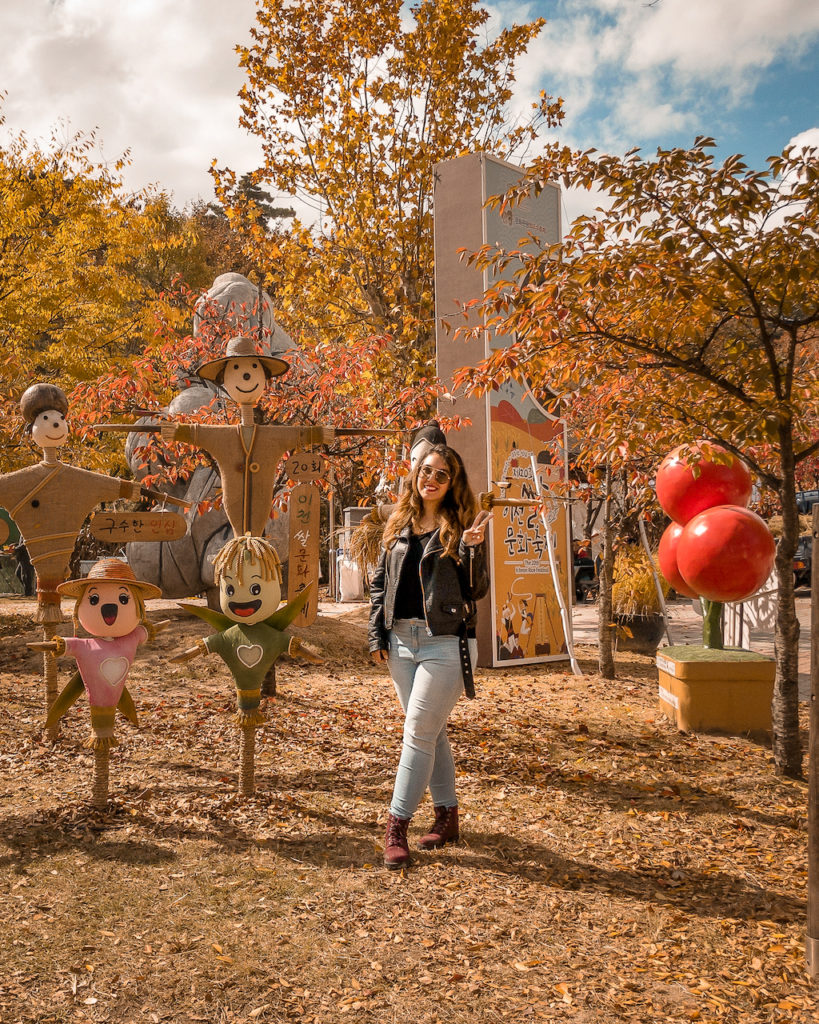
2. Take a day trip to Nami Island
If you’ve ever dreamed of walking beneath towering trees covered in golden autumn leaves, Nami Island (남이섬) deserves a spot on your South Korea fall bucket list.
Located in Gapyeong, this picturesque island is one of the most popular day trips from Seoul. It’s especially famous for appearing in the Korean drama Winter Sonata, but you don’t have to be a K-drama fan to appreciate its beauty.
During autumn, the island’s famous tree-lined pathways transform into a gorgeous mix of yellow, orange, and red. It’s the perfect place for a romantic stroll, a photography adventure, or simply enjoying the crisp autumn air.
Best time to visit: Late October through early November, depending on the foliage.
How to get there: From Seoul, take the ITX-Cheongchun train from Yongsan or Cheongnyangni Station to Gapyeong Station. From there, take a taxi or local transportation to Nami Island Wharf, where you’ll board the ferry.
Travel Tip: Nami Island gets incredibly crowded during peak foliage season. I recommend visiting on a weekday and arriving early to enjoy the scenery before the tour groups arrive.
If you want to see more of the surrounding area, consider combining Nami Island with the Garden of Morning Calm or another Gapyeong attraction.

3. Take a day trip to Namhansanseong
If you’re looking for a beautiful autumn destination near Seoul that combines Korean history, hiking, and stunning fall foliage, Namhansanseong Fortress (남한산성) is worth the trip.
A former coworker recommended this historic fortress to me, and I’m so glad she did! Namhansanseong became a UNESCO World Heritage Site in 2014 and is one of my favorite recommendations for travelers who want to explore beyond central Seoul.
The fortress is surrounded by wooded mountains, and during autumn, the hiking trails and historic stone walls are framed by beautiful red, orange, and yellow foliage. It’s a fantastic place to enjoy the outdoors while learning about Korea’s history.
Best time to visit: Late October through early November.
Admission: The fortress grounds are generally free to explore, although individual attractions may charge admission.
How to get there from Jamsil Station: Take Subway Line 8 to Sanseong Station (산성역). From Exit 2, walk to the nearby bus stop and take Bus 9 or 52 toward Namhansanseong. Check Naver Map for current bus schedules.
Travel Tip: Wear comfortable walking shoes and bring a light jacket. The mountain trails can be uneven, and temperatures are often cooler than in central Seoul.
If you’re unfamiliar with Korea’s public transportation system, consider booking a guided Namhansanseong autumn tour instead.
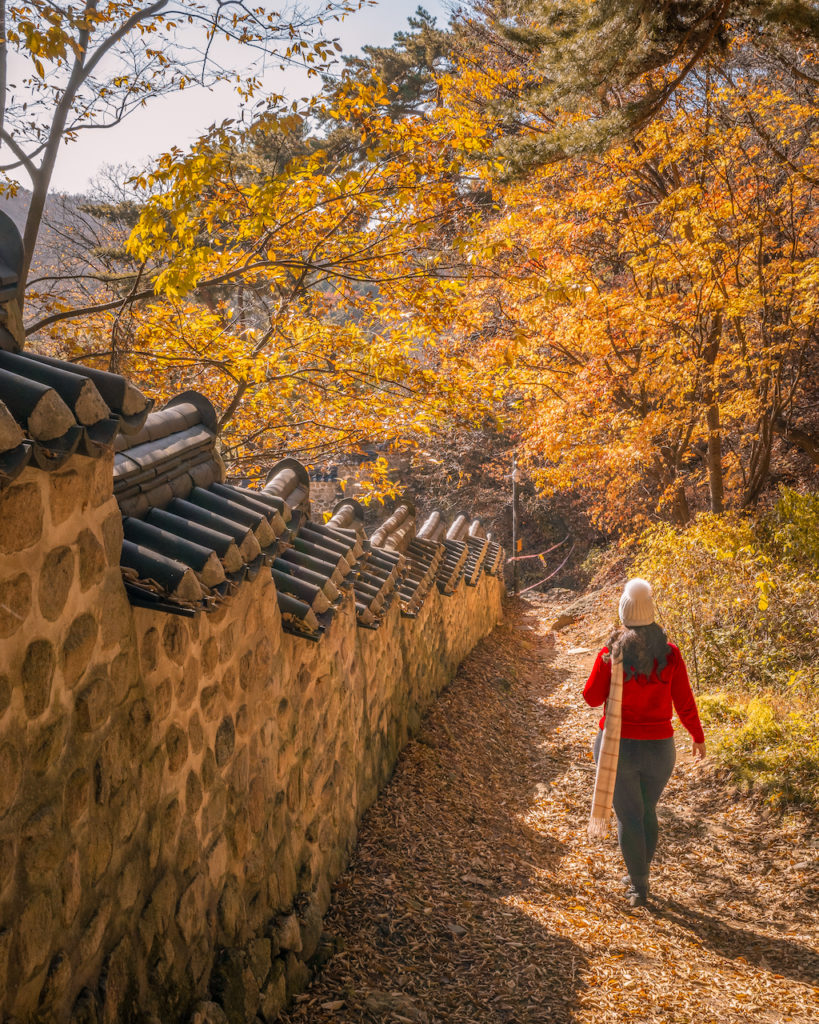
4. Go on a day tour to Gyeongju Korea
If you’re looking to experience Korean history surrounded by breathtaking autumn foliage, Gyeongju (경주) absolutely deserves a spot on your South Korea fall bucket list!
Once the capital of the ancient Silla Kingdom, Gyeongju is often called the “museum without walls” because of its incredible collection of temples, royal tombs, and historic landmarks. It’s one of my favorite places to visit in South Korea, especially during autumn when the changing leaves make everything even more magical.
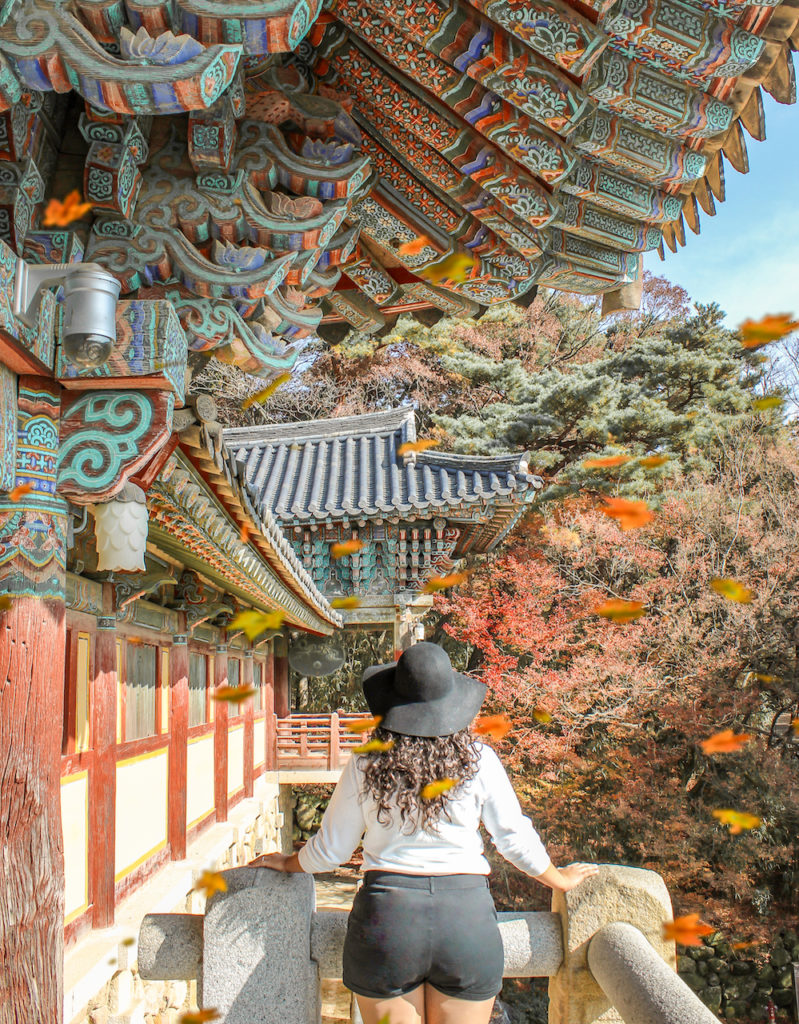
One of the highlights of visiting Gyeongju in fall is Bulguksa Temple, a UNESCO World Heritage Site famous for its traditional architecture and beautiful surroundings.
Fun fact: One of my most viral travel photos was taken at Bulguksa Temple!
While you’re in Gyeongju, I also recommend exploring Daereungwon Tomb Complex, strolling through the charming streets of Hwangnidan-gil, and visiting Donggung Palace and Wolji Pond after sunset.
Best time to visit: Late October through early November for autumn foliage.
How to get there from Seoul: Take the KTX from Seoul Station to Gyeongju Station (formerly Singyeongju Station). The journey takes approximately 2 to 2.5 hours. From the station, take a local bus or taxi into central Gyeongju.
Travel Tip: Although Gyeongju is possible as a day trip from Seoul, I recommend staying overnight if your itinerary allows. Many of the historical attractions are spread out, and you’ll have more time to enjoy the temples, traditional cafés, and illuminated historical sites without rushing.
If you prefer exploring independently, check out my complete DIY Gyeongju itinerary. Otherwise, consider booking a guided Gyeongju tour to make transportation between attractions easier.
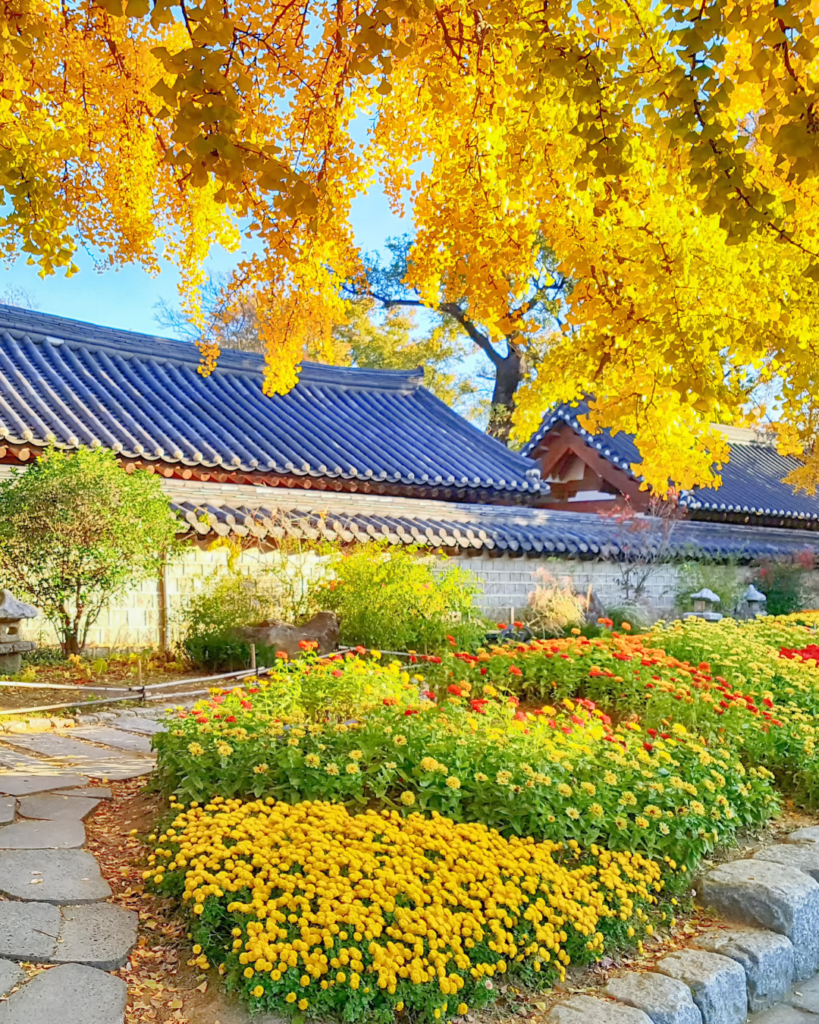
5. Visit Jeonju Korea for the day
If you love traditional Korean architecture, delicious food, and charming little streets, Jeonju (전주) is another destination you should add to your South Korea fall itinerary!
Located in North Jeolla Province, Jeonju is famous for its traditional hanok village, where hundreds of Korean-style houses line picturesque streets filled with restaurants, cafés, and cultural attractions.
One of my favorite things about visiting Jeonju is how easy it is to immerse yourself in Korean culture. You can rent a traditional hanbok, wander through the historic village, visit Gyeonggijeon Shrine, and sample some of the city’s famous dishes.
And speaking of food, you can’t visit Jeonju without trying Jeonju bibimbap! The city is considered one of Korea’s culinary capitals and is also famous for its delicious chocolate pies, known locally as choco pies.
During autumn, the cooler weather makes exploring the hanok village even more enjoyable. It’s a wonderful place to slow down, take photographs, and appreciate traditional Korean architecture.
Best time to visit: October through early November.
How to get there from Seoul: Take the KTX from Yongsan Station to Jeonju Station. The journey typically takes around 1 hour 40 minutes to 2 hours. From Jeonju Station, take a local bus or taxi to Jeonju Hanok Village.
Travel Tip: Wear comfortable shoes because you’ll be doing plenty of walking. If you have time, rent a hanbok for photos around the village and visit Gyeonggijeon Shrine for a beautiful combination of traditional architecture and autumn foliage.
Jeonju makes a fantastic day trip from Seoul, but spending the night in a traditional hanok guesthouse is another memorable way to experience the city.
6. Demilitarized Zone
If you’re interested in Korean history, one of the most fascinating day trips from Seoul is visiting the Korean Demilitarized Zone (DMZ).
The DMZ is a heavily restricted buffer zone separating North and South Korea, established following the Korean War armistice in 1953. Despite its complicated history, the surrounding area has become an unexpected refuge for wildlife and plant species, making it an interesting place to visit during autumn.
Depending on your tour itinerary and current access restrictions, you may visit attractions such as the Third Infiltration Tunnel, Dora Observatory, and Imjingak Peace Park. At Dora Observatory, visitors can look across the border toward North Korea on clear days.
Having visited the DMZ myself, I think it’s an important experience for anyone interested in understanding Korea beyond its popular tourist attractions.
Best time to visit: September through November for comfortable weather and potentially clearer views. Tours operate during other seasons as well.
How to get there from Seoul: The easiest option is to book an organized DMZ tour departing from central Seoul. Many tours offer pickup points around Myeongdong, Hongdae, or other convenient locations. Travel time to the Paju border area is approximately 1 to 1.5 hours, depending on traffic and your destination.
Admission: Tour prices vary depending on the operator and included attractions.
Travel Tip: Bring your physical passport! Identification checks are required for many restricted-area tours, and access can change without notice due to military operations or security conditions. Always confirm your itinerary and photography restrictions before visiting.
I recommend booking a guided DMZ tour to learn about the Korean War, the peninsula’s division, and the historical significance of the places you’ll visit.

7. Frolic in Silver Grass at Haneul Park
Did you really experience autumn in Seoul if you didn’t frolic through a field of beautiful silver grass? I think not!
One of my favorite places to experience autumn in Seoul is Haneul Park (하늘공원), located inside World Cup Park in the Mapo district. Every October, the park transforms into a sea of golden silver grass that sways beautifully in the autumn breeze.
What makes Haneul Park even more interesting is its history. The area was once a landfill before being transformed into one of Seoul’s most beautiful ecological parks.
During October, Haneul Park also hosts the annual Seoul Silver Grass Festival (서울억새축제), where visitors can enjoy seasonal displays, photography spots, and beautiful views overlooking the city.
If you love photography, this is one of those places where you’ll want to bring your camera and take a million pictures!
Best time to visit: October, especially around the annual Seoul Silver Grass Festival. This year, it takes place from October 17, 2026 – October 23, 2026.
Admission: Free to enter. The electric cart costs extra.
How to get there: Take Seoul Subway Line 6 (brown) to World Cup Stadium Station (월드컵경기장역) and use Exit 1. From there, follow the signs toward Haneul Park. Allow approximately 40 minutes to walk to the top, or take the paid Maengkkongi electric cart from the designated boarding area.
Travel Tip: Visit in the late afternoon when the sunlight turns the silver grass golden. It’s absolutely gorgeous for photos! Bring comfortable walking shoes because reaching the top involves a steep climb or a long staircase if you decide to skip the electric cart.

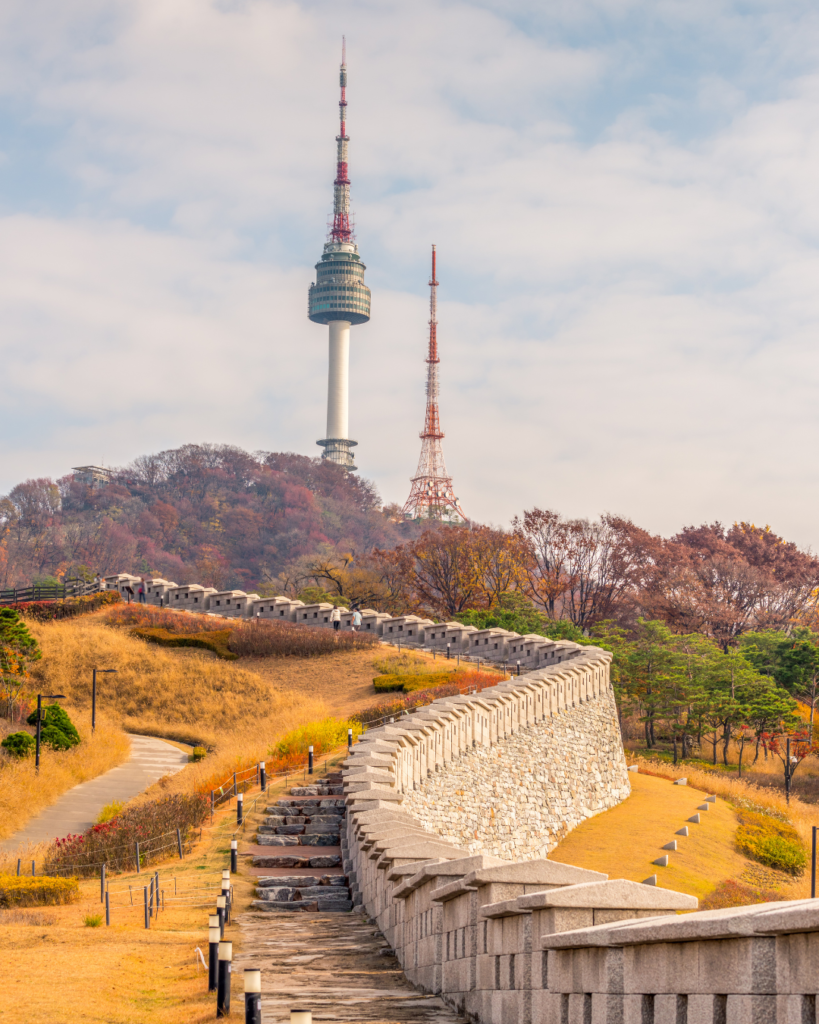
8. Take the Namsan Tower Cable Car
If you’re looking for one of the most beautiful ways to see autumn foliage in Seoul, take a ride on the Namsan Cable Car (남산 케이블카)!
Namsan Mountain is located in the heart of Seoul and is home to the iconic N Seoul Tower. During autumn, the mountain transforms into a colorful landscape of red, orange, and golden leaves.
One of the best ways to appreciate the scenery is by riding the cable car up the mountain. As you ascend, you’ll get beautiful views of the surrounding trees, with Seoul’s sprawling skyline stretching out in the distance.
Once you reach the top, you can explore the observation areas, take photos of N Seoul Tower, and enjoy the surrounding walking paths. It’s especially beautiful around sunset when the city begins to light up.
Best time to visit: Late October through early November for fall foliage.
Admission: The Namsan Cable Car costs ₩15,000 round trip or ₩12,000 one way for adults, based on the operator’s published fares. Admission to the N Seoul Tower observatory is separate.
How to get there: Take Subway Line 4 (light blue) to Myeongdong Station (명동역) and use Exit 3. Walk approximately 7–10 minutes uphill toward the Namsan Cable Car boarding station. Alternatively, use Exit 4 and follow the signs toward the Namsan Ormi inclined elevator, which connects to the cable car area.
Travel Tip: If you want the best of both worlds, take the cable car up and walk down the mountain. You’ll get gorgeous aerial views on the way up and plenty of opportunities to photograph the autumn foliage along the walking trails.
I recommend visiting on a weekday, if possible, because the cable car can get crowded on weekends and during peak autumn foliage.
9. Take a fall walk through Pink Muhly Grass
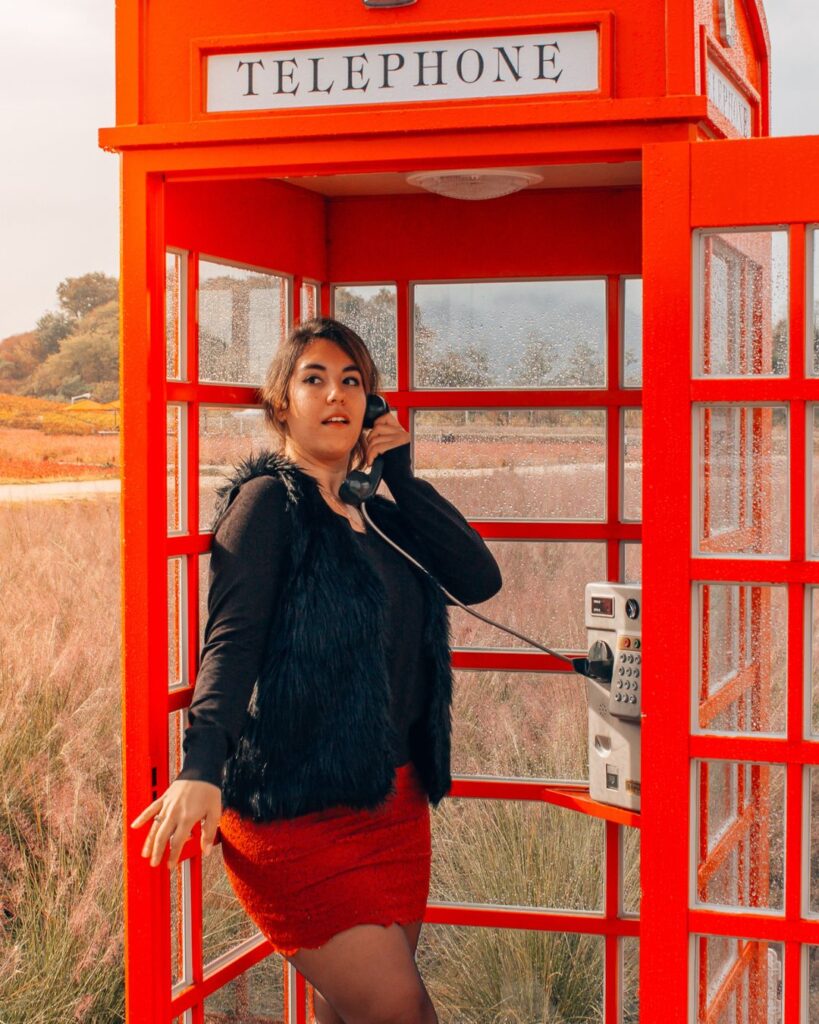
If you’ve ever dreamed of wandering through a sea of fluffy pink grass, then you need to add pink muhly season to your South Korea fall bucket list!
Pink muhly grass (핑크뮬리) is famous for its dreamy, cotton-candy appearance, making it one of the most photogenic plants you’ll find during autumn in Korea. The soft pink plumes look especially beautiful when they catch the afternoon sunlight.
One of the most popular destinations for pink muhly displays are Yangju Nari Park in Gyeonggi Province and Hueree Natural Park on Jeju Island.
Best time to visit: Late September through October, depending on the location and weather. The viewing period runs from September 18th through October 25th, 2026.
Admission: ₩7,000 for adults and ₩5,000 for children.
How to get there: Yangju Nari Park is accessible from Seoul by public transportation. Take Subway Line 1 to Yangju Station (Exit 2). Then, get on local Bus 80 or 77-1.
Travel Tip: Visit on a sunny weekday in the late afternoon for beautiful photographs. The pink plumes look especially dreamy in golden-hour lighting! Be sure to stay on designated walking paths to protect the plants.
10. Admire Fall Foliage at Changdeokgung Palace
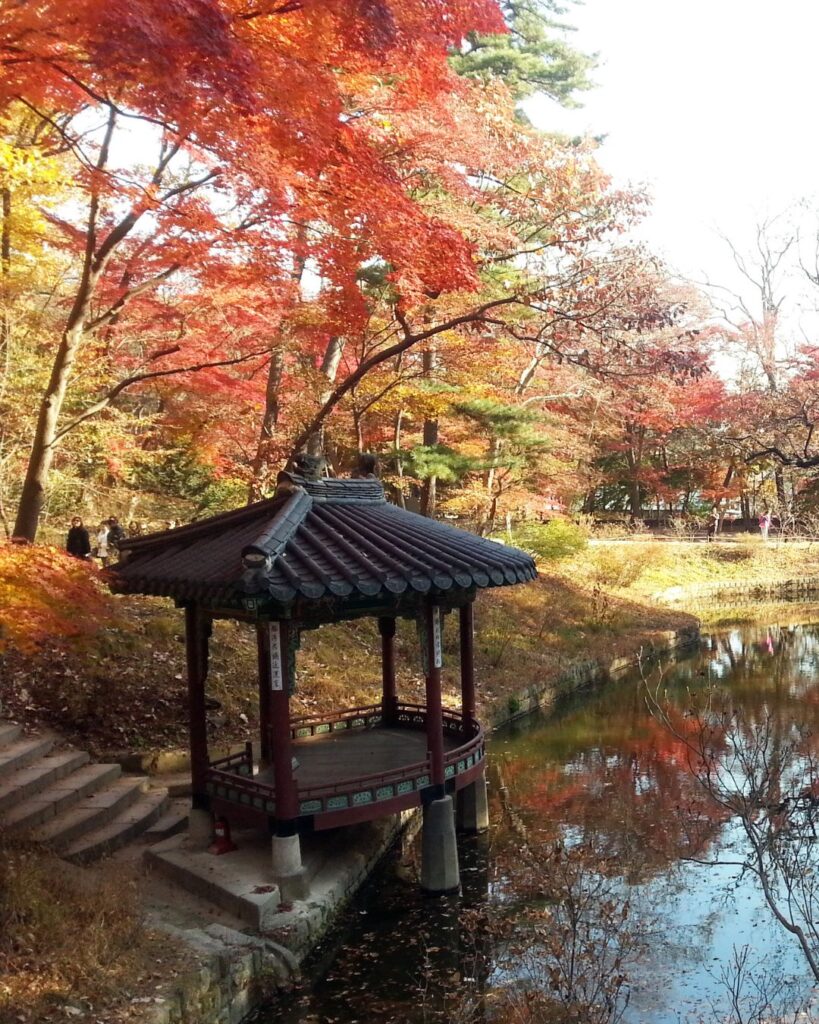
One of the most beautiful places to experience autumn in Seoul is Changdeokgung Palace (창덕궁), especially its famous Secret Garden, also known as Huwon (후원).
Changdeokgung is one of Seoul’s five grand palaces and a UNESCO World Heritage Site. Unlike some of the city’s other palaces, Changdeokgung was designed to blend harmoniously with the surrounding natural landscape, making it particularly stunning during autumn.
The real highlight is the Secret Garden, where traditional Korean pavilions, peaceful ponds, and winding pathways are surrounded by colorful maple and ginkgo trees. During peak foliage season, the entire garden looks like something straight out of a historical K-drama.
If you love Korean history, traditional architecture, and photography, this is one attraction you absolutely shouldn’t miss.
Best time to visit: Late October through early November.
Admission: General palace admission and Secret Garden admission are ticketed separately.
How to get there: Take Seoul Subway Line 3 (orange) to Anguk Station (안국역) and use Exit 3. Walk approximately 5–10 minutes to the palace entrance.
Travel Tip: The Secret Garden is extremely popular during autumn, and visitor numbers are limited. Reserve your preferred admission time online in advance (only 50 tickets are available out of 100). Opens at 10:00 AM KST, exactly 6 days before your planned tour date.
Walk-up tickets: Go straight to the main ticket office near the front entrance (Donhwamun Gate / Geumhomun area). The on-site ticket booth opens at 9:00 AM. Morning or popular English/language tour slots frequently sell out early in the day. They hold 50 tickets, and it is on a first-come, first-served basis.
11. Rent a hanbok and take pictures at Gyeongbokgung
Is there anything more iconic than wearing a beautiful traditional Korean hanbok while exploring one of Seoul’s grand palaces? I think not!
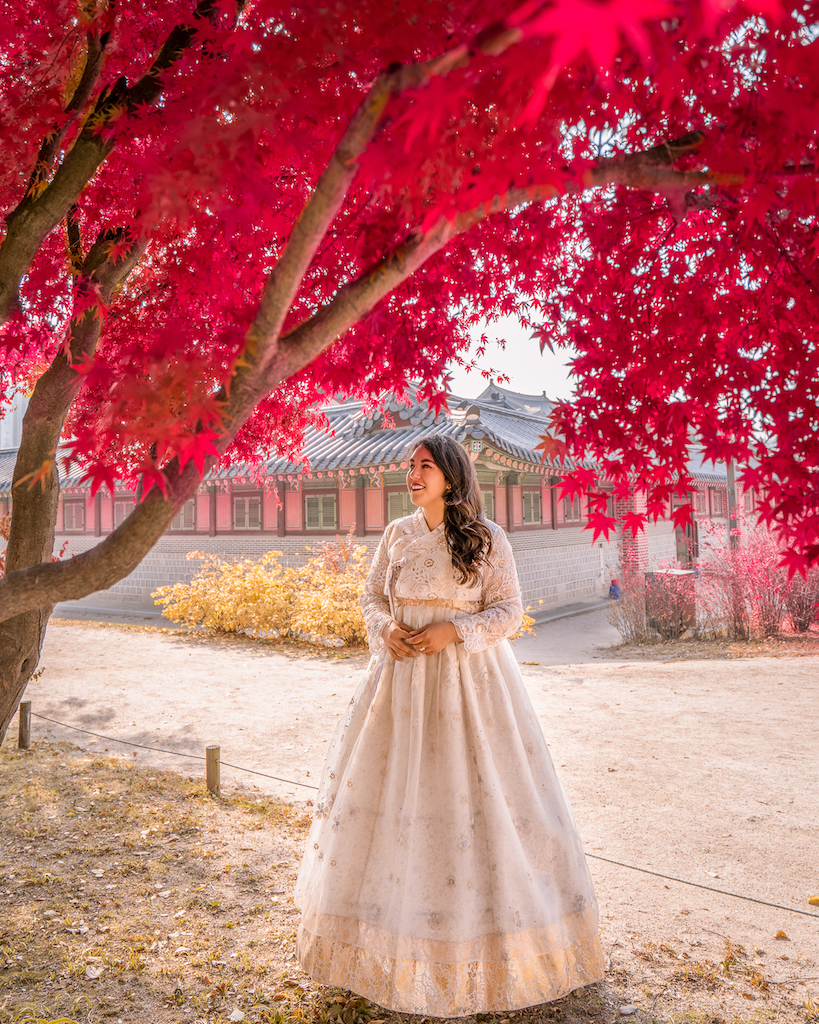
Gyeongbokgung Palace (경복궁) is one of my favorite places to recommend for experiencing traditional Korean culture. Built during the Joseon Dynasty, it’s the largest of Seoul’s five grand palaces and makes an incredible backdrop for autumn photos.
During fall, the palace grounds become even more beautiful as the surrounding trees turn shades of red, orange, and gold. Pair that with a colorful hanbok, and you’ve got the perfect recipe for unforgettable travel photos!
There are plenty of hanbok rental shops around Gyeongbokgung where you can choose from traditional and modern-inspired designs. Many shops also offer hairstyling and accessories to complete your look.
Best time to visit: Late October through early November for autumn foliage.
Admission: Standard adult palace admission is ₩3,000. Visitors wearing qualifying traditional hanbok can enter for free.
How to get there: Take Subway Line 3 (orange) to Gyeongbokgung Station (경복궁역) and use Exit 5. Alternatively, take Line 5 (purple) to Gwanghwamun Station (광화문역) and walk to the palace.
Travel Tip: Book your hanbok rental early in the morning to avoid crowds and get the best photos. If you want pictures without hundreds of tourists in the background, visit on a weekday shortly after the palace opens. If you book the Discover Seoul Pass, you can get a free hanbok rental and entrance into the grand palaces.
Keep in mind that Gyeongbokgung Palace is generally closed on Tuesdays, except when special holiday arrangements apply. Check the official schedule before visiting.
For an even more memorable experience, consider booking a professional hanbok photoshoot around Gyeongbokgung Palace and nearby Bukchon Hanok Village.
12. Experience a Korean Temple Stay in Autumn
If you’re looking for a unique cultural experience in South Korea, I highly recommend participating in a traditional Korean Buddhist temple stay (템플스테이).
While living in South Korea, I had the opportunity to participate in an autumn temple stay at Bohyeonsa (보현사), and it was genuinely one of the best experiences of my life. It operates as an official branch temple of Woljeongsa Temple.
A Korean temple stay gives visitors a chance to step away from the hustle and bustle of everyday life and experience Buddhist traditions firsthand. Depending on the temple and program, activities may include meditation, Buddhist ceremonies, traditional tea gatherings, and learning about monastic life.
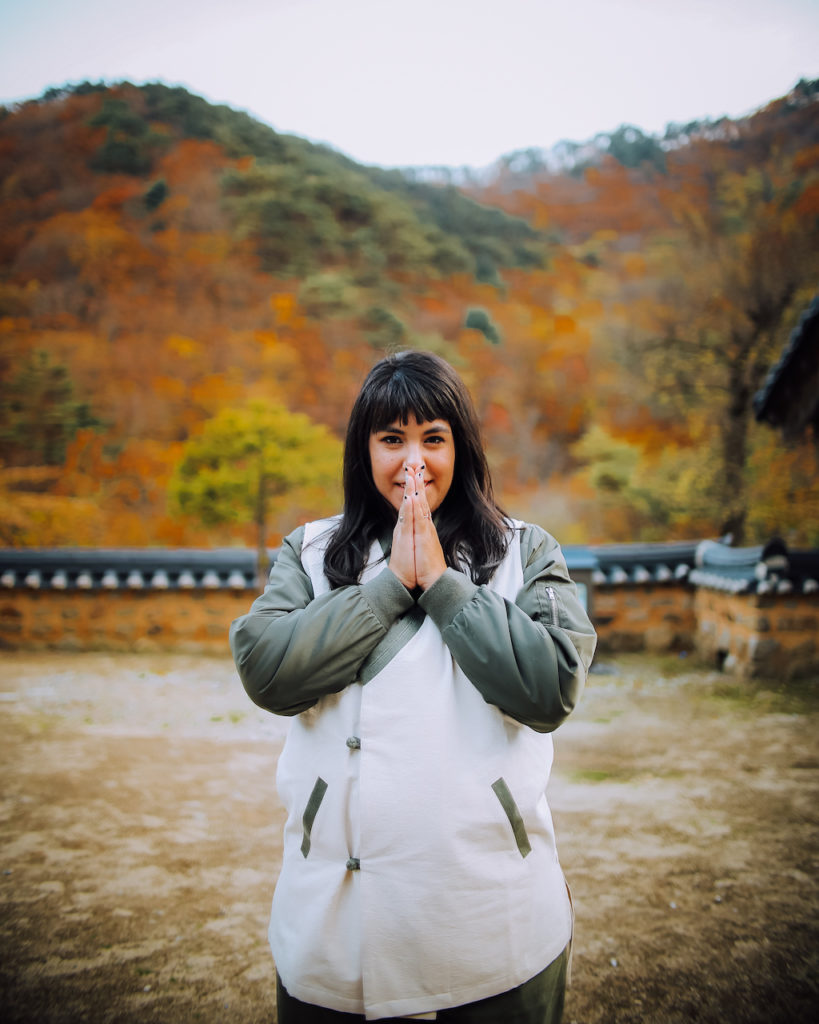
Participants are typically provided with comfortable temple-stay clothing, often consisting of loose-fitting pants and a matching vest or jacket. You’ll also learn about temple etiquette and the importance of respecting the peaceful environment.
What makes a temple stay especially memorable during autumn is the scenery. Many Buddhist temples are surrounded by mountains and forests, making them wonderful places to appreciate Korea’s colorful fall foliage.
Best time to visit: October through early November for autumn foliage, although temple stays are offered throughout the year.
Admission: Temple-stay prices vary depending on the location, length of stay, and activities included. Overnight programs commonly cost approximately ₩70,000–₩120,000 per person.
How to book: Visit the official Korean Templestay website to browse participating temples, compare programs, and make reservations. Some temples offer English-language programs for international visitors.
Travel Tip: Pack comfortable walking shoes, socks, toiletries, and a warm layer. Many temples are located in mountainous areas where temperatures can drop significantly overnight. Also, be prepared for an early wake-up call if your program includes morning Buddhist ceremonies!
13. Explore the Best Autumn Walking Trails in Seoul
Sometimes the best way to experience autumn in South Korea is to simply put on your favorite sweater, grab a warm drink, and go for a walk!
One of my favorite things about living in Seoul was watching the city transform throughout the seasons. During autumn, ordinary streets become beautiful photography spots as maple leaves turn fiery red and ginkgo trees create golden canopies overhead.
And the best part? You don’t have to travel outside Seoul to enjoy spectacular fall foliage!
Some of my favorite places to recommend for an autumn walk include Seoul Forest, Seokchon Lake, and the picturesque Deoksugung Stone Wall Road.
Seoul Forest is perfect for nature lovers, with tree-lined pathways and plenty of open space to explore. Seokchon Lake is especially beautiful when the autumn leaves reflect across the water, while Deoksugung Stone Wall Road offers a romantic walk alongside one of Seoul’s historic palaces.
Best time to visit: Late October through mid-November, depending on the weather and location.
Admission: These public walking areas are generally free to visit.
How to get there:
- Seoul Forest: Take the Suin–Bundang Line to Seoul Forest Station (서울숲역) and use Exit 3.
- Seokchon Lake: Take Subway Line 2 or 8 to Jamsil Station (잠실역) and follow signs toward Seokchon Lake.
- Deoksugung Stone Wall Road: Take Subway Line 1 or 2 to City Hall Station (시청역) and walk toward Deoksugung Palace.
Travel Tip: Visit early in the morning for fewer crowds or during golden hour for gorgeous photographs. If you’re visiting Seoul specifically for autumn colors, check the latest fall foliage forecast because peak conditions can shift from year to year.
For even more beautiful locations, check out my complete guide to the best places to see fall foliage in Seoul.
14. Photograph Golden Ginkgo Trees in Seoul and Asan
One of the most magical things about autumn in South Korea is watching the ginkgo trees turn a brilliant shade of golden yellow. Seriously, some of these streets look like they’ve been covered in gold!
Ginkgo trees (은행나무) are found throughout South Korea, and their fan-shaped leaves create some of the most beautiful autumn scenery you’ll ever see. If you’re looking for Instagram-worthy places to photograph fall foliage, these golden trees deserve a spot on your itinerary.
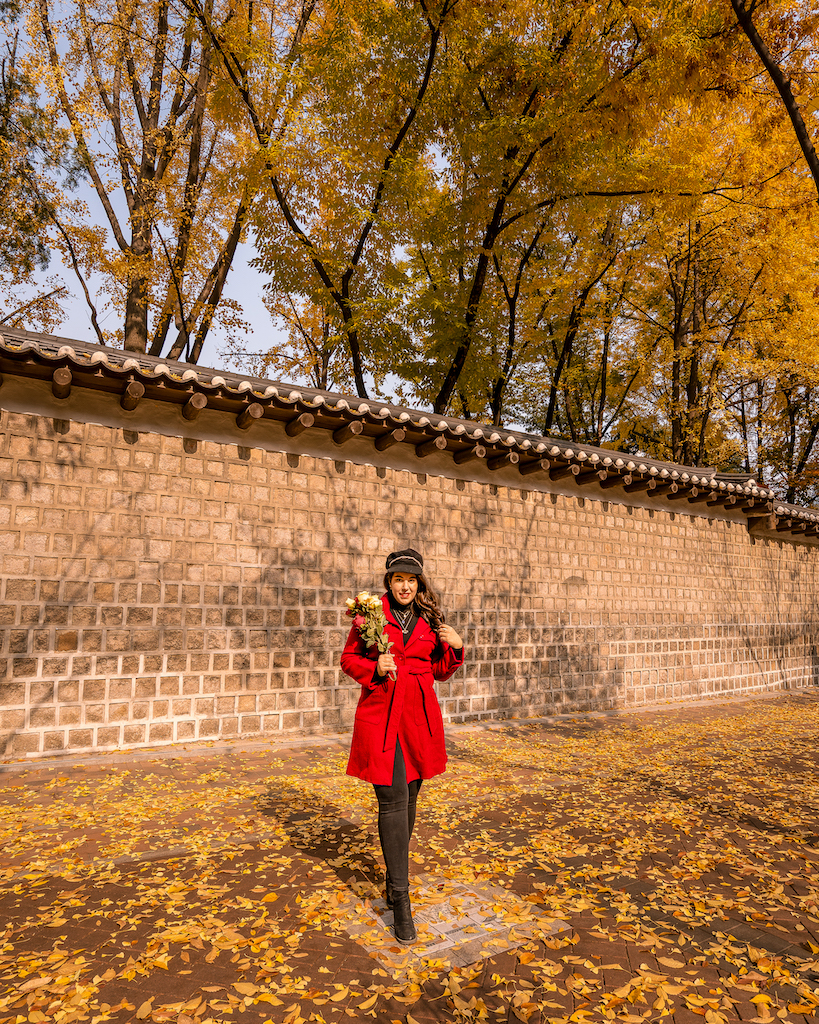
One of the most famous destinations is Asan Ginkgo Tree Road (아산 은행나무길) in Chungcheongnam Province. During peak foliage season, the road transforms into a stunning golden tunnel. It’s especially beautiful when fallen leaves blanket the ground.
If you’re staying in Seoul, you can also find ginkgo trees around Garosugil in Sinsa-dong, making it easy to enjoy autumn scenery without leaving the city.
Best time to visit: Late October through early November, depending on the region and weather.
Admission: Free.
How to get there: For Garosugil, take Seoul Subway Line 3 to Sinsa Station (신사역) and use Exit 8. Walk approximately 5–10 minutes toward Garosugil.
For Asan Ginkgo Tree Road, take a train from Seoul to Asan or Cheonan-Asan Station, then use a local bus or taxi to reach the ginkgo-lined road near Gokgyocheon Stream.
Travel Tip: Visit on a weekday morning for fewer crowds and beautiful photographs. Ginkgo leaves can fall quickly after strong winds or rain, so check recent photos before making a special trip.
And one more thing: Ginkgo trees are gorgeous, but fallen fruit from female trees can smell pretty awful. Watch where you step!
15. Hike Korea’s Best National Parks for Fall Foliage
If there’s one thing Koreans absolutely love, it’s hiking! Honestly, hiking might as well be the national sport of South Korea.
With beautiful mountains, scenic hiking trails, and incredible national parks scattered throughout the country, autumn is one of the best times to get outdoors and explore.
During fall, Korea’s mountains transform into a spectacular landscape of fiery red maple trees, golden foliage, and dramatic rocky peaks. Whether you’re an experienced hiker or simply want to enjoy beautiful autumn scenery, there’s a national park for you.
Here are five of the best national parks in South Korea to visit during autumn.
Bukhansan National Park (북한산국립공원)
If you’re staying in Seoul and want to experience autumn hiking without traveling far, Bukhansan National Park is one of the best places to visit.
I’ve hiked Bukhansan several times, and it’s a fantastic way to escape the busy city and enjoy the surrounding mountains. The park is known for its impressive granite peaks, forested trails, and panoramic views overlooking Seoul.
Best time to visit: Late October through early November.
How to get there: For the popular Baegundae Peak route, take Subway Line 4 to Suyu Station and transfer to a local bus toward Bukhansanseong. Trailhead access varies depending on your chosen hiking route.
Travel Tip: Bukhansan has trails for different fitness levels, but the summit routes can be steep and challenging. Wear proper hiking shoes and check trail conditions before setting out.
Naejangsan National Park (내장산국립공원)
If you’re looking for some of the most spectacular red maple foliage in South Korea, Naejangsan National Park should be high on your list!
Located in North Jeolla Province, Naejangsan is famous for its vibrant autumn colors, beautiful temples, and picturesque walking paths. If you’re staying in Seoul, it’s easiest to book a day tour to experience Naejangsan since it is located far to the south.
One of the park’s most recognizable attractions is Uhwajeong Pavilion, which sits beside a peaceful pond surrounded by colorful trees. During peak autumn foliage, it’s one of the most photographed locations in the park.
Best time to visit: Late October through mid-November.
How to get there: Take a train or express bus from Seoul to Jeongeup, then transfer to a local bus or taxi toward Naejangsan National Park. A guided autumn foliage tour is another convenient option.
Travel Tip: Naejangsan is extremely popular during peak foliage season, so arrive early to avoid heavy crowds and traffic.
Seoraksan National Park (설악산국립공원)
Seoraksan National Park is one of South Korea’s most famous autumn destinations, and for good reason!
Located in Gangwon Province near Sokcho, the park is known for its dramatic mountain peaks, beautiful valleys, Buddhist temples, and breathtaking fall foliage.
One of my favorite places to recommend for autumn photography is Sinheungsa Temple, where traditional Korean architecture creates a beautiful contrast against the colorful mountains.
If you don’t want to tackle a challenging hike, you can still enjoy the scenery along easier walking paths or take the Seoraksan Cable Car, weather permitting.
Best time to visit: October, with higher elevations typically changing color earlier than lower valleys.
How to get there: Take an express bus from Seoul to Sokcho, then transfer to a local bus or taxi toward Seoraksan National Park. The trip typically takes several hours, depending on traffic.
Travel Tip: Seoraksan can get chilly during autumn, especially at higher elevations. Bring warm layers and check the weather before hiking.
Odaesan National Park (오대산국립공원)
If you love peaceful forests, traditional Buddhist temples, and beautiful autumn scenery, Odaesan National Park is another destination worth exploring.
Located in Gangwon Province, Odaesan is especially famous for its forest trails and Woljeongsa Temple, where a beautiful fir tree-lined pathway creates a peaceful atmosphere.
During autumn, the surrounding mountains become covered in colorful foliage, making it a wonderful place for photography and leisurely walks.
Best time to visit: Early to mid-October for many higher-elevation foliage areas, with timing varying across the park.
How to get there: Take the KTX from Seoul to Jinbu Station, then transfer to a local bus or taxi toward Woljeongsa Temple or your chosen trailhead.
Travel Tip: Visit early in the morning for a quieter experience. Odaesan is particularly beautiful when morning light filters through the trees.
Hallasan National Park (한라산국립공원)
If you’re visiting Jeju Island during autumn, don’t miss the opportunity to explore Hallasan National Park!
Hallasan is South Korea’s tallest mountain, standing approximately 1,947 meters (6,388 feet) above sea level. The volcanic mountain dominates Jeju Island and offers some incredible hiking opportunities.
During autumn, the mountain’s slopes transform into a colorful landscape, with foliage changing at different times depending on elevation.
Best time to visit: October through early November, depending on elevation.
How to get there: Hallasan is located on Jeju Island. From Jeju City or Seogwipo, take a local bus or taxi to your chosen trailhead.
Travel Tip: Some Hallasan summit trails require advance reservations, and hiking cutoff times are strictly enforced. Check the official Hallasan National Park website before planning your hike. Bring plenty of water, snacks, and warm layers.
If you’re visiting Korea mainly for fall foliage, choose your national park based on when you travel. Mountain foliage generally peaks earlier than the trees in Seoul, so planning ahead makes a big difference!
16. Explore Hwadam Botanic Garden During Autumn
If you’re looking for one of the most breathtaking places to experience fall foliage in South Korea, Hwadam Botanic Garden (화담숲), also known as Hwadam Forest, absolutely deserves a spot on your bucket list!
Located in Gwangju, Gyeonggi Province, Hwadam Forest is a beautiful botanical garden nestled in the mountains near Konjiam Resort. It’s home to thousands of plant species, picturesque walking paths, and some of the most spectacular autumn foliage you’ll find near Seoul.
During October and November, the gardens transform into a colorful wonderland of fiery red maple trees, golden ginkgo leaves, and vibrant autumn scenery. One of the most popular attractions is the monorail, which winds through the forest and offers beautiful views of the surrounding landscape.
The garden also features approximately five kilometers of gently sloping walking trails, making it a wonderful place to explore without tackling a strenuous mountain hike.
Best time to visit: Late October through early November, depending on the foliage.
Admission: ₩11,000 for adults, ₩9,000 for teenagers and seniors, and ₩7,000 for children. Monorail tickets are sold separately.
How to get there from Seoul: Take the Gyeonggang Line to Gonjiam Station (곤지암역), then transfer to Gwangju Bus 9 or take a taxi to Hwadam Forest. If you’re departing from Jamsil Station, you can also take Bus 500-1 toward Gonjiam Terminal and transfer to a local bus or taxi.
Travel Tip: Hwadam Forest requires advance online reservations, and tickets during peak autumn foliage season can sell out quickly. Book through the official Hwadam Forest website as soon as reservations become available.
If you’re interested in riding the monorail, reserve that separately when booking your admission ticket. I recommend allowing at least two to three hours to explore the gardens and enjoy the autumn scenery.
Since Hwadam Forest is outside central Seoul, consider booking a guided autumn foliage tour if you prefer not to navigate multiple transportation connections.

17. Explore Seoul’s Cozy Cafés in Autumn
Is it even autumn in South Korea if you don’t go on a cute coffee shop date? After all, fall is cuffing season, and there’s something about sweater weather that makes everyone want a little romance!
Korean café culture is on another level. From beautifully decorated dessert cafés to cozy traditional hanok coffee shops, Seoul has no shortage of places to enjoy a warm drink and escape the chilly autumn weather.
And the best part? You don’t even need a date to enjoy them! Grab your bestie, bring a book, or take yourself on a little solo coffee adventure.
Some of my favorite neighborhoods for café hopping in Seoul include Ikseon-dong, Seongsu-dong, and Yeonnam-dong. Ikseon-dong is especially charming with its traditional hanok cafés, while Seongsu is known for its trendy industrial-style coffee shops and creative spaces. Check out my complete guide to the most picturesque cafes in Seoul!
If you’re looking for something more relaxed, Yeonnam-dong has plenty of independent cafés tucked away along its quieter streets.
Best time to visit: September through November, especially on chilly or rainy afternoons.
Cost: Expect to spend approximately ₩5,000–₩8,000 for a specialty coffee, with desserts costing extra.
How to get there:
- Ikseon-dong: Take Subway Line 1, 3, or 5 to Jongno 3-ga Station (종로3가역) and walk toward the hanok café streets.
- Seongsu-dong: Take Subway Line 2 to Seongsu Station (성수역).
- Yeonnam-dong: Take Subway Line 2, the Airport Railroad, or Gyeongui–Jungang Line to Hongik University Station (홍대입구역) and use Exit 3.
Travel Tip: Popular cafés can have long waits on weekends, so I recommend visiting during weekday afternoons. Also, keep an eye out for seasonal drinks and desserts featuring chestnuts, sweet potatoes, and other delicious autumn flavors.
And if you’re single and hoping to meet someone during your trip, check out my guide to dating in Korea for a little insight into the local dating scene!
18. Eat Seasonal Korean Fall Foods
One of the best things about traveling to South Korea in autumn is all the delicious seasonal food! As soon as the weather starts cooling down, Korean street vendors begin selling warm snacks that make wandering around Seoul even more enjoyable.
Some of my favorite memories about the changing seasons was seeing different foods appear at markets, street stalls, and cafés.
If you’re visiting Korea during fall, here are some seasonal treats you should try!
Roasted Chestnuts (군밤): There’s something incredibly comforting about eating freshly roasted chestnuts on a chilly autumn day. They’re naturally sweet, slightly nutty, and make a wonderful snack while exploring the city.
Roasted Sweet Potatoes (군고구마): Korean sweet potatoes are absolutely delicious when roasted! They have a naturally sweet, creamy interior and are especially satisfying when the temperatures start dropping.
Hotteok (호떡): These sweet Korean pancakes are typically filled with brown sugar, cinnamon, and nuts. They’re served piping hot, making them one of my favorite recommendations for anyone with a sweet tooth.
Persimmons (감): Autumn is persimmon season in Korea! You’ll find fresh persimmons in markets and grocery stores, along with dried persimmons (곶감), which are enjoyed as a traditional snack.
Best time to visit: October through November, although some warm street foods become more widely available during winter.
Cost: Many street snacks cost approximately ₩2,000–₩5,000, depending on the vendor and location.
Where to try them: Traditional markets such as Gwangjang Market and Namdaemun Market are great places to explore Korean food culture. You’ll also find seasonal snacks at neighborhood street stalls throughout Seoul.
Travel Tip: Bring a little cash when exploring traditional markets because smaller vendors may prefer cash payments. And if you spot a vendor selling freshly roasted sweet potatoes on a cold day, do yourself a favor and grab one!
19. Enjoy Traditional Korean Tea at a Hanok Tea House
If there’s one thing I love about autumn in South Korea, it’s finding a cozy place to escape the chilly weather with a warm drink. And what better way to experience Korean culture than visiting a traditional Korean tea house?
While Seoul is famous for its trendy coffee shops, traditional tea houses offer a completely different experience. Many are located inside beautifully preserved hanok buildings, complete with wooden interiors, peaceful courtyards, and traditional Korean décor.
Some of the best neighborhoods to explore are Insadong (인사동) and Ikseon-dong (익선동), where you’ll find charming tea houses tucked away along narrow streets.
Instead of ordering your usual latte, try a traditional Korean tea!
Yuja-cha (유자차): A sweet and citrusy tea made with yuja, a fragrant Korean citrus fruit. It’s especially comforting during cooler weather.
Daechu-cha (대추차): A rich, naturally sweet jujube tea that’s perfect for chilly autumn afternoons.
Omija-cha (오미자차): Made from magnolia berries, this tea is known for its unique combination of five flavors: sweet, sour, salty, bitter, and pungent. (This was my absolute FAVORITE Korean tea.)
Pair your tea with traditional Korean sweets such as yakgwa (약과), a honey-flavored cookie, for an even more memorable experience.
Best time to visit: September through November, although traditional tea houses are wonderful year-round.
Cost: Expect to spend approximately ₩6,000–₩12,000 for specialty tea, depending on the tea house.
How to get there: For Insadong, take Subway Line 3 to Anguk Station (안국역) and use Exit 6. For Ikseon-dong, take Subway Lines 1, 3, or 5 to Jongno 3-ga Station (종로3가역) and walk toward the hanok village.
Travel Tip: Visit during a weekday afternoon when the tea houses are generally quieter. Some traditional tea houses have floor seating, so wear comfortable clothing and be prepared to remove your shoes.
If you love exploring unique cafés, check out my complete guide to Ikseon-dong Hanok Village for more places to visit.
20. Have an Autumn Photoshoot in Seoul
If there’s one thing you should know about me, it’s that I love a good photoshoot! And honestly, South Korea is one of the most photogenic countries I’ve ever lived in.
During autumn, Seoul transforms into a photographer’s paradise. Between the golden ginkgo trees, fiery red maple leaves, traditional Korean palaces, and beautiful mountain scenery, you’ll have no shortage of incredible places to take pictures. Be sure to check out my guide for fall photo inspiration, including poses and creative autumn photo shoot ideas!
Whether you’re traveling solo, with your significant other, or with friends, I highly recommend setting aside some time for an autumn photoshoot.
Some of my favorite locations to recommend include:
Seoul Forest (서울숲): One of the most beautiful places in Seoul for autumn portraits, with tree-lined pathways, golden ginkgo leaves, and gorgeous natural scenery.
Olympic Park (올림픽공원): Famous for its wide-open green spaces, scenic walking trails, and iconic Lone Tree. It’s a fantastic place for dreamy outdoor portraits.
Gyeongbokgung Palace (경복궁): If you want something more traditional, rent a hanbok and take photographs surrounded by historic Korean architecture and autumn foliage.
Best time to visit: Late October through early November, depending on the foliage.
Cost: Most outdoor photography locations are free. Hanbok rentals and professional photography sessions cost extra.
How to get there:
- Seoul Forest: Take the Suin–Bundang Line to Seoul Forest Station and use Exit 3.
- Olympic Park: Take Subway Line 5 or 9 to Olympic Park Station.
- Gyeongbokgung Palace: Take Subway Line 3 to Gyeongbokgung Station and use Exit 5.
Travel Tip: Golden hour is your best friend when taking autumn photos! I recommend scheduling your photoshoot shortly after sunrise or about an hour before sunset for beautiful, soft lighting.
If you’re traveling solo, bring a lightweight tripod or book a professional photographer. And don’t forget to coordinate your outfit with the fall colors! Cream, burgundy, brown, and neutral tones look especially beautiful against the autumn foliage.
For more photography inspiration, check out my guide to the best places to see autumn foliage in Seoul.
21. Take Spooky Photos at Yongma Land
Looking for something a little spooky to add to your South Korea fall bucket list? Then you absolutely need to check out Yongma Land (용마랜드), one of Seoul’s most unusual photography destinations!
Located in the Jungnang district of Seoul, Yongma Land is a former amusement park that opened in 1983 and closed in 2011. Instead of disappearing completely, the park found a second life as a quirky photography location filled with vintage amusement rides.
Think abandoned carousels, weathered attractions, and an atmosphere that looks like something straight out of a horror movie. It’s creepy, nostalgic, and absolutely perfect for a Halloween-inspired photoshoot!
Yongma Land has also appeared in numerous Korean music videos and television productions, making it a fun destination for K-pop fans and photographers alike.
I visited Yongma Land almost every year I lived in Korea, and it’s one of those places I never got tired of photographing. There’s something fascinating about an amusement park frozen in time, especially when you’re looking for a creative backdrop that’s completely different from Seoul’s traditional palaces and trendy neighborhoods.
One of the most recognizable attractions is the old carousel, which makes a fantastic backdrop for portraits. You’ll also find vintage rides and plenty of interesting corners to explore with your camera.
Best time to visit: September through November for comfortable photography weather. October is especially fun if you’re planning a spooky Halloween-themed photoshoot.
Admission: ₩10,000 for adults and ₩5,000 for children, according to the Korea Tourism Organization’s published listing.
Opening hours: Generally 10 a.m. to 6 p.m., but hours and public access may change because of private filming or events.
How to get there: Take the Gyeongui–Jungang Line to Mangu Station (망우역) and use Exit 1. From there, take a short taxi ride or follow walking directions to Yongma Land at 118 Mangu-ro 70-gil, Jungnang-gu, Seoul.
Travel Tip: Yongma Land isn’t a functioning amusement park, so don’t expect to ride the attractions. You’re visiting for the photography experience! Wear comfortable shoes, avoid climbing on old rides, and respect any restricted areas.
Because Yongma Land is privately operated and sometimes closes for filming, I recommend confirming visitor access before you go. Check the official Yongma Land Naver community for information.
For the best photos, visit during the afternoon when the natural lighting is softer. If you love unusual destinations, abandoned places, or creative photography, Yongma Land is definitely worth adding to your Seoul itinerary!

22. Take a Haunted Ghost Tour in Seoul
If you love spooky stories, haunted places, and everything that goes bump in the night, then you need to add a ghost tour to your Seoul autumn itinerary!
One of the most unusual things to do in Seoul during October is the Dark Side of Seoul Ghost Walk, a guided walking tour that explores the city’s darker history, eerie legends, and supernatural folklore.
Korea has some seriously creepy ghost stories, from vengeful spirits to mysterious creatures lurking in the shadows. And trust me, there’s something about wandering through Seoul’s historic streets after dark that makes these stories even more entertaining.
Although the Dark Side of Seoul Ghost Walk runs year-round, I think October is the perfect time to experience it. After all, what’s Halloween without a little paranormal activity?
Depending on the tour you choose, your guide may share stories about haunted locations, historical tragedies, traditional Korean superstitions, and the city’s lesser-known past.
Best time to visit: October for Halloween atmosphere, although tours may be available year-round.
Admission: Ticket prices vary by tour type and booking platform.
How to get there: Tours typically meet in central Seoul, with meeting locations varying by route. Check your booking confirmation for the exact subway station, exit, and meeting point.
Travel Tip: Wear comfortable walking shoes and bring a light jacket. Autumn evenings in Seoul can get surprisingly chilly, especially if you’re spending an hour or two walking outdoors.
23. Have an Autumn Picnic Along the Han River
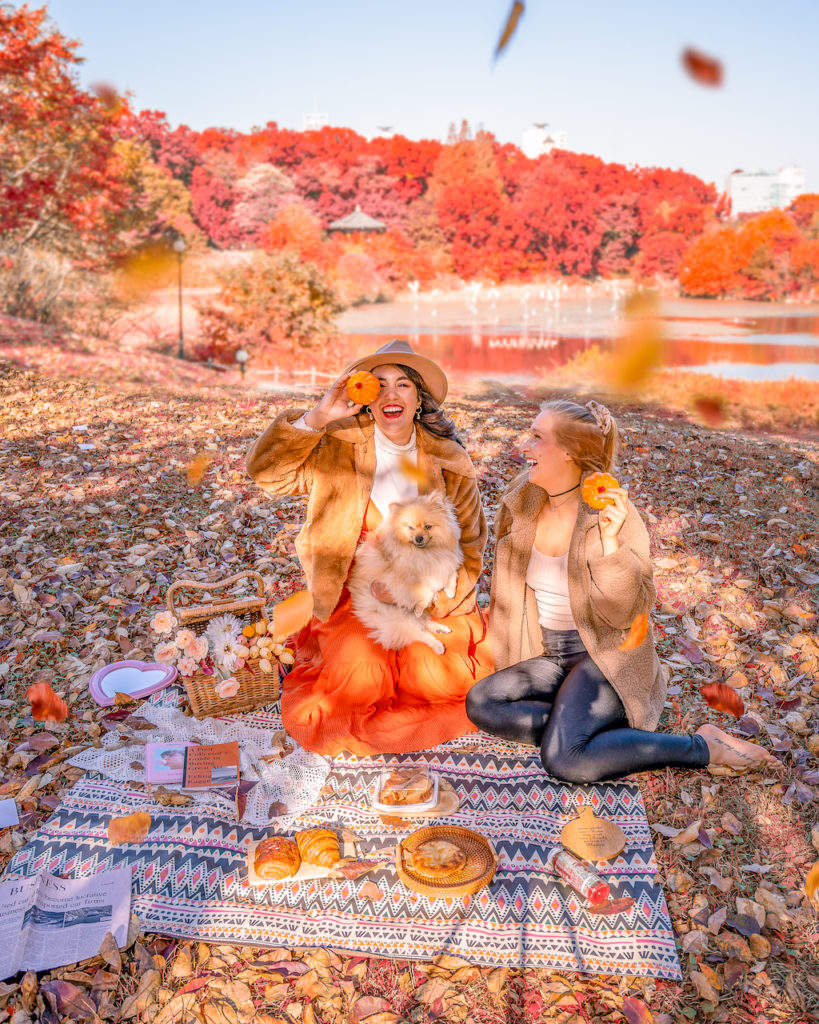
If there’s one thing I love more than a summer picnic, it’s an autumn picnic in Seoul! The weather is cooler, the scenery is gorgeous, and you don’t have to worry about melting in the summer heat.
One of my favorite things about living in Korea was how easy it was to spend time outdoors with friends. And during autumn, Seoul’s beautiful parks become the perfect places to relax, enjoy good food, and soak up the seasonal atmosphere.
Some of my favorite places to recommend for a fall picnic include Yeouido Hangang Park, Seoul Forest, and Olympic Park.
Yeouido Hangang Park (여의도한강공원): Located along the Han River, this park is a fantastic place to enjoy a picnic with views of Seoul’s skyline. Grab some Korean fried chicken, kimbap, or convenience-store snacks and enjoy the riverside atmosphere.
Seoul Forest (서울숲): If you’re looking for beautiful fall foliage, Seoul Forest is an excellent choice. The tree-lined paths and open lawns make it a wonderful place to spend a relaxing afternoon.
Olympic Park (올림픽공원): With spacious grassy areas, walking paths, and beautiful seasonal scenery, Olympic Park is perfect for a picnic with friends or a romantic afternoon date.
Best time to visit: September through early November, depending on the weather.
Admission: Free to enter these public parks.
How to get there:
- Yeouido Hangang Park: Take Subway Line 5 to Yeouinaru Station (여의나루역) and use Exit 2 or 3.
- Seoul Forest: Take the Suin–Bundang Line to Seoul Forest Station (서울숲역) and use Exit 3.
- Olympic Park: Take Subway Line 5 or 9 to Olympic Park Station (올림픽공원역).
Travel Tip: Pick up food from a nearby convenience store or order Korean fried chicken to enjoy outdoors. Bring a picnic blanket, a light jacket, and a portable charger so you can relax without worrying about your phone battery.
24. Visit the Cosmos Flower Fields at Olympic Park
One of my favorite things about autumn in Seoul is the abundance of beautiful seasonal flowers! While everyone gets excited about the changing leaves, Korea’s cosmos flower fields deserve just as much attention.
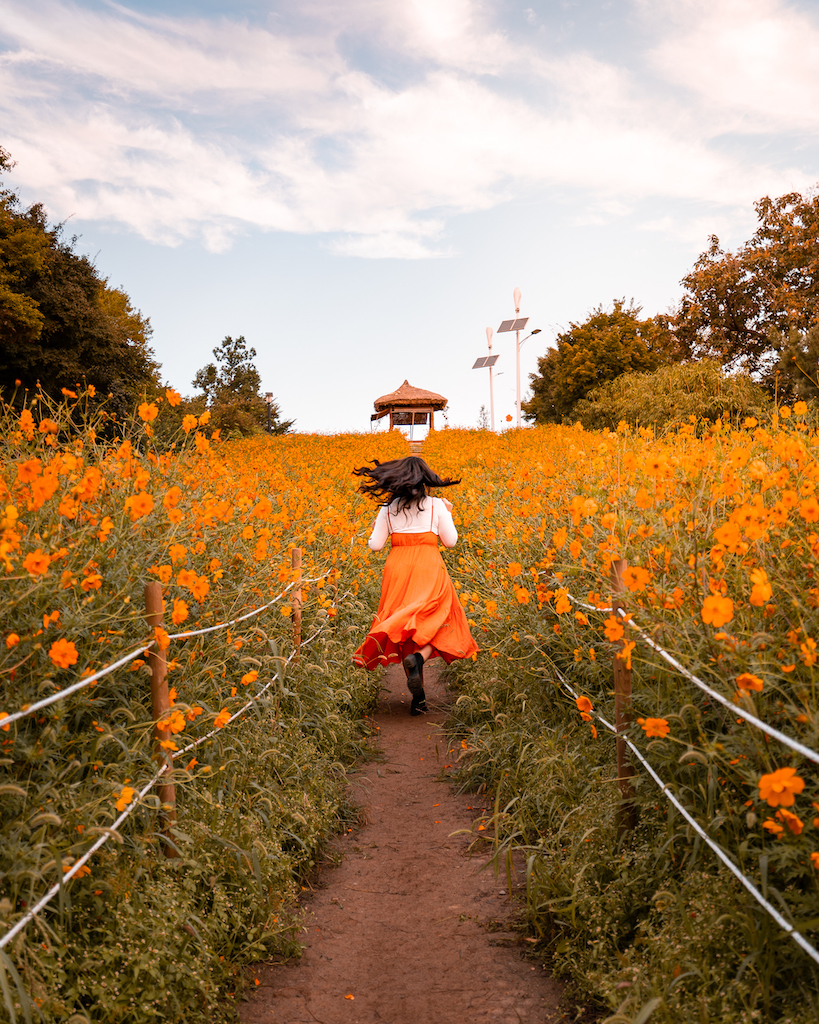
If you’re looking for a gorgeous place to take autumn photos in Seoul, head to Olympic Park (올림픽공원), where fields of vibrant orange and yellow cosmos flowers create the perfect backdrop for fall photography.
The flowers are especially beautiful at Deulkkotmaru (들꽃마루), a wildflower garden known for its colorful seasonal blooms. During early autumn, the hillside becomes covered in cheerful cosmos flowers, making it one of the prettiest places to visit in Seoul during September and October.
And let’s be real, who doesn’t love a flower field photoshoot?
Olympic Park is also home to scenic walking paths, historical landmarks, and the famous Lone Tree, so you can easily spend several hours exploring the grounds.
Best time to visit: September through early October for the orange and yellow cosmos flowers. Other cosmos varieties may bloom later in autumn.
Admission: Free.
How to get there: Take Subway Line 5 or 9 to Olympic Park Station (올림픽공원역) and use Exit 3. Walk approximately 10 minutes toward the Rose Plaza and Deulkkotmaru flower garden.
Travel Tip: Visit early on a weekday morning for the best chance to photograph the flowers without large crowds. The flower fields are especially beautiful in soft morning light or during golden hour.
25. Experience Everland’s Halloween Festival in Korea
If you love haunted attractions, zombies, and all things Halloween, then you absolutely need to experience Everland’s Halloween festivities in South Korea!
Everland (에버랜드) is South Korea’s largest theme park, located in Yongin, Gyeonggi Province. While it’s a fantastic destination throughout the year, autumn brings seasonal entertainment, colorful decorations, and some seriously spooky experiences.
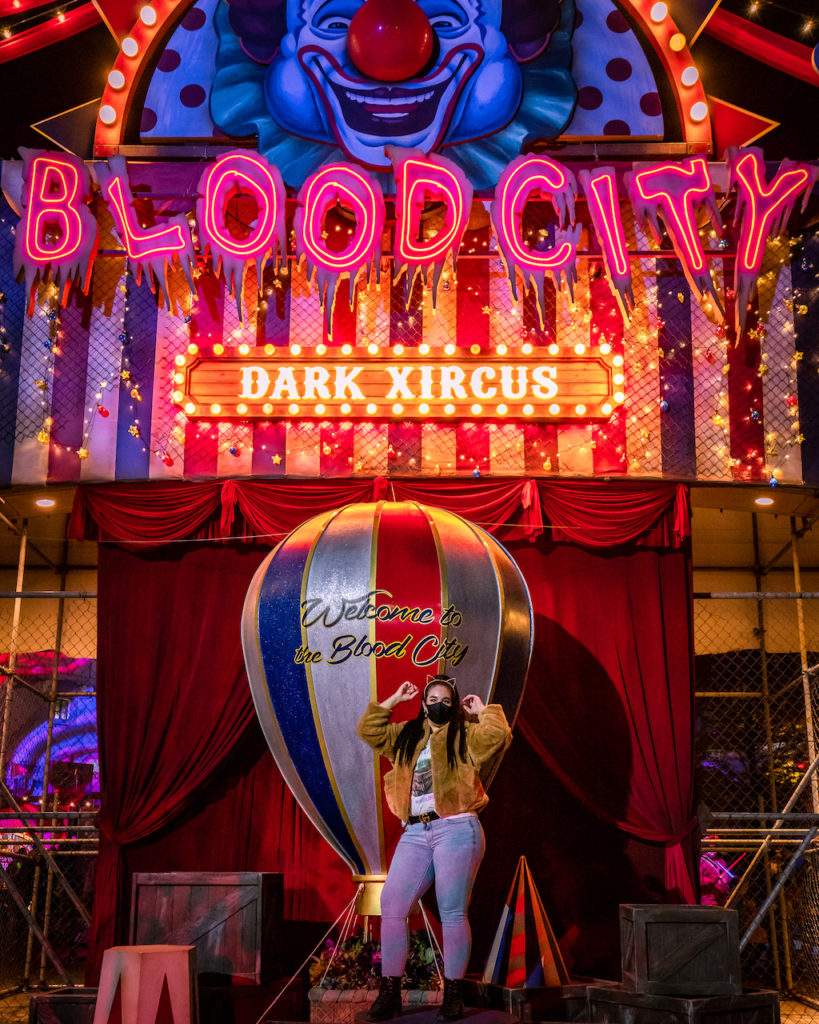
For 2026, Everland is hosting Blood City Zero: Hell Gate, an immersive horror experience where visitors enter a city overrun by zombies. Instead of simply watching a performance, guests can participate in interactive missions, explore themed areas, and encounter terrifying characters throughout the attraction.
The event also features zombie-themed entertainment, special food and merchandise, and plenty of opportunities to take spooky Halloween photos.
If horror isn’t your thing, Everland also offers roller coasters, family-friendly attractions, and beautiful seasonal scenery. There’s plenty to enjoy even if you don’t want to be chased around by zombies!
Best time to visit: September through November.
2026 Halloween Event Dates: September 12 – November 22, 2026.
Admission: Everland uses date-dependent ticket pricing, and some special experiences may require additional payment. Check the official website for current admission prices and event details.
How to get there from Seoul: Take the subway to Gangnam Station and use Exit 10 to reach the nearby bus stop for Bus 5002 toward Everland. Alternatively, take the Suin–Bundang Line to Giheung Station, transfer to the EverLine, and get off at Jeondae–Everland Station. From there, follow signs for the park shuttle.
Travel Tip: If you’re visiting specifically for the Halloween attractions, plan to stay into the evening when the spooky atmosphere really comes alive. Weekends can get extremely busy, so I recommend visiting on a weekday if possible.
Check the official Everland website before your visit because performance schedules, attraction availability, and special-event requirements may change.
For more spooky experiences, check out my complete guide to celebrating Halloween in South Korea!
26. Celebrate Halloween at Lotte World in Seoul
Looking for another fun way to celebrate Halloween in South Korea? Then head to Lotte World Adventure (롯데월드 어드벤처), one of Seoul’s most popular amusement parks!
Located in Jamsil, Lotte World is famous for its enormous indoor amusement park, outdoor Magic Island, thrilling rides, and beautiful fairytale-inspired architecture. It’s a fantastic destination for couples, friends, and families looking for a fun day out in Seoul.
During autumn, Lotte World transforms with seasonal entertainment, themed decorations, and special events that make the park even more exciting.
For 2026, Lotte World is hosting Mystery Party: Strange World, a spooky autumn celebration featuring mysterious music, dark-themed parade entertainment, and a special collaboration with Japanese horror manga artist Junji Ito.
If you’re a fan of horror, this is definitely an event to add to your Seoul autumn itinerary!
One of the things I love about Lotte World is how convenient it is to visit. Unlike Everland, which requires traveling outside Seoul, Lotte World is easily accessible by subway. You can spend the afternoon enjoying the rides and stay into the evening for the illuminated park scenery.
Best time to visit: September through November, especially October for the Halloween atmosphere.
2026 Autumn Event Dates: September 12 – November 15, 2026.
How to get there: Take Seoul Subway Line 2 or 8 to Jamsil Station (잠실역). Follow the underground signs toward Lotte World Adventure.
Admission: Ticket prices vary depending on the type of pass, promotions, and visitor eligibility. Check the official website for current admission rates.
Travel Tip: Lotte World is especially popular on weekends and public holidays. I recommend arriving when the park opens to enjoy the most popular attractions before the crowds build.
If you’re visiting with friends or your significant other, consider renting Korean school uniforms for a fun, nostalgic photoshoot. It’s a popular activity among visitors and makes for some adorable pictures!
Frequently Asked Questions About Autumn in South Korea
Is October or November better for visiting South Korea?
Both months are wonderful for visiting South Korea, but October is generally better for hiking, seasonal festivals, and experiencing fall foliage in the mountains. Early November is often ideal for golden ginkgo trees and colorful autumn foliage in Seoul. The best month depends on which regions you plan to visit.
What should I wear in South Korea during autumn?
September can still feel warm, while October brings cooler mornings and evenings. By November, temperatures can drop significantly, especially in mountainous regions. I recommend packing comfortable walking shoes, sweaters, a lightweight jacket, and layers you can easily remove throughout the day.
For more packing advice, check out my complete guide to what to wear in Korea during fall.
Can you experience South Korea’s fall foliage without leaving Seoul?
Absolutely! Some of my favorite autumn foliage destinations are right in Seoul, including Seoul Forest, Changdeokgung Palace, Namsan Mountain, and Seokchon Lake. You don’t need to travel to a national park to enjoy beautiful autumn colors.
Is South Korea expensive to visit in autumn?
South Korea offers autumn experiences for a wide range of budgets. Many of the best activities, including exploring public parks, photographing ginkgo trees, and walking along the Han River, are completely free.
However, popular attractions, guided tours, and accommodations can cost more during peak foliage season. If you’re staying in Seoul, check out my complete guide on where to stay in Seoul that includes the best neighborhoods and accommodations.
Final Thoughts on Visiting South Korea in Fall
After living in South Korea for six years, I can honestly say autumn is one of the most magical times to explore the country. From fiery red maple trees and golden ginkgo-lined streets to traditional temples, cozy cafés, and unforgettable cultural experiences, there’s something special about Korea during this season.
Whether you’re chasing fall foliage in Seoraksan National Park, wandering through Seoul’s historic palaces in a hanbok, or indulging in seasonal Korean street food, you’ll never run out of incredible things to do in South Korea in fall.
And while Seoul has plenty of beautiful autumn attractions, I highly encourage you to venture beyond the capital. Some of my favorite memories were made exploring Korea’s mountains, historic cities, and hidden gems.
I hope this South Korea fall bucket list inspires you to experience the country beyond the typical tourist attractions and create unforgettable memories of your own.
Planning your autumn adventure? Don’t forget to check out my guides to autumn festivals in South Korea, the best places to see fall foliage in Seoul, and what to wear in Korea during fall to help you make the most of your trip.
Which of these autumn activities in South Korea are you most excited to try? Let me know in the comments!

This post contains affiliate links which means at no additional cost to you, I make a small commission to help keep Globelle Gina running. Thanks for your support!
Free Seoul E-Book
Do you love South Korea?
Enter your name and email address and click the button below to receive your Easy Seoul Travel Guide so you can travel like a local!